


1230 TWC - the most exciting place to be!
- You are here:
- Home »
- Blog »
- Articles »
- Ghosts of the West End
Ghosts of the West End
Haunted Tales from London’s Theatreland!
The West End dazzles with neon lights, red carpets and thunderous applause. Each night, audiences flock to London’s Theatreland to lose themselves in music, drama and spectacle. But when the curtain falls, the crowds disappear and the stage lights dim, another world begins to stir!
Dare You Sit in One of London’s Many Haunted Theatres?
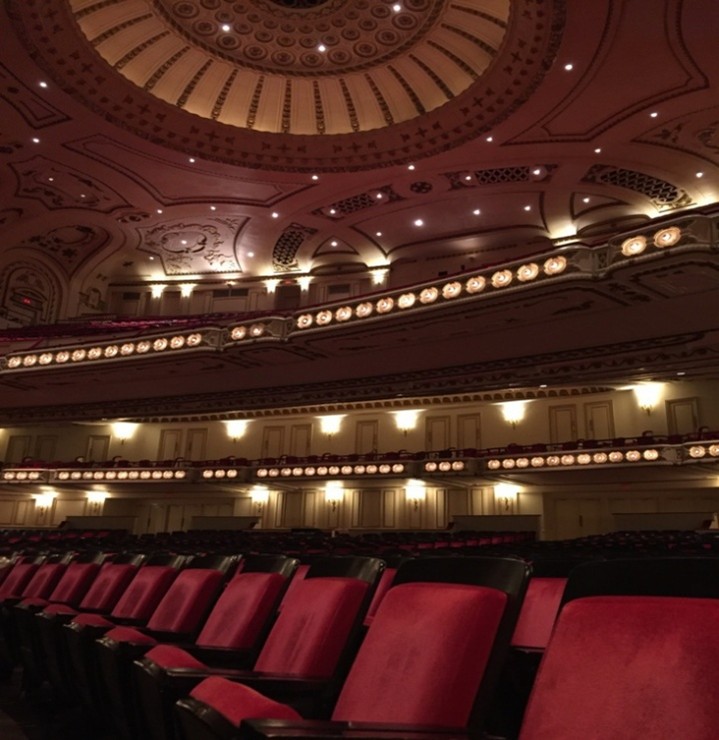 At Stage Door Tours, we love stories that send a shiver down the spine just as much as we love sharing hilarious backstage mishaps and theatrical secrets. Join us as we step into the darker side of the West End — where history and hauntings entwine, and restless spirits still linger in the wings.
In the quiet hours after midnight, shadows creep across velvet curtains, footsteps echo in empty aisles, and whispers drift through darkened corridors. For centuries, London’s theatres have been places of intense emotion — triumph and heartbreak, fame and failure, life-changing moments played out beneath the spotlight. Perhaps it’s no wonder that some spirits have refused to leave the stage behind.
London’s theatres are among the oldest in the world, some rebuilt multiple times after fires, wars and renovations. Beneath their ornate façades lie layers of history — and, according to many performers and staff, layers of paranormal activity too. Ghostly sightings, unexplained sounds and eerie sensations are so common in Theatreland that many actors speak of them with a casual shrug… at least in daylight.
Once the house lights go down, however, bravery can quickly falter.
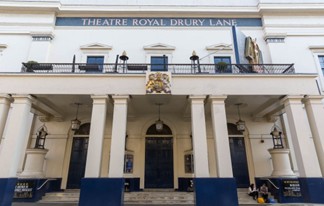 The Theatre Royal, Drury Lane – The Man in Grey
No theatre on Earth is more famous for its ghosts than the Theatre Royal, Drury Lane. With a history stretching back to 1663, it has seen centuries of performances — and, some believe, centuries of hauntings.
Its most infamous resident is the Man in Grey, a silent apparition often glimpsed drifting through the upper circle. Dressed in an 18th-century cloak, tricorn hat and powdered wig, he is said to glide along the aisles before vanishing straight into the wall. Unlike many theatrical ghosts, he isn’t considered threatening. In fact, his appearance is regarded as a good omen — a sign that the show will be a resounding success.
The legend deepened during renovations in the 1800s, when builders reportedly uncovered a skeleton concealed within the theatre’s walls, clutching a dagger. Was this the Man in Grey, murdered and hidden away? Or merely a coincidence that fed the theatre’s already rich folklore? Whatever the truth, ushers, actors and audience members alike have sworn to see him — always watching, never speaking.
Drury Lane is also said to host other spirits: a distressed woman in white, phantom footsteps on the stage, and the sound of children laughing long after the doors have closed. For a theatre steeped in drama, it seems fitting that its ghosts are equally theatrical.
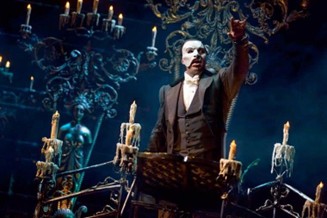 His Majesty’s Theatre – The Phantom Before the Phantom
Long before Andrew Lloyd Webber’s Phantom of the Opera made the theatre world-famous, His Majesty’s Theatre already had a spectral reputation!
Stagehands working late at night report hearing mysterious music drifting from the empty orchestra pit — soft notes with no visible musician. Sudden icy drafts sweep across the stalls, even when doors are firmly shut, and lights have been known to flicker inexplicably during rehearsals.
Some performers whisper of an unseen presence watching from the shadows of the royal box, observing silently as if guarding the theatre. Is it a former actor unwilling to relinquish their favourite seat? Or a benevolent spirit ensuring performances go smoothly? The irony is not lost on cast members that a theatre now synonymous with a masked ghost may have harboured one long before the famous chandelier ever fell.
 The Palace Theatre – Shadows at Cambridge Circus
Standing proudly at Cambridge Circus, the Palace Theatre was originally built as a grand opera house — and many believe it still clings to its operatic past.
Staff have reported doors slamming shut with no one nearby, lights flickering on and off, and an overwhelming feeling of being watched in the upper levels. A brooding presence seems to linger backstage, particularly late at night when the building is quiet.
According to legend, the ghost may be a former manager, fiercely devoted to the theatre in its early days. Some say he remains bound to the building, ensuring the show goes on no matter what. Others claim he disapproves of the modern musicals that replaced the operas he loved — and makes his displeasure known through unexplained disturbances.
Whether protector or critic, the Palace Theatre’s shadowy resident certainly hasn’t taken his final bow.
Superstitions of the Stage
Where there are ghosts, there are superstitions — and theatre is famously full of them. Many traditions were born from genuine danger in centuries past, while others seem designed purely to appease whatever spirits might be lurking backstage.
One of the most enduring is the ghost light: a single lamp left glowing centre stage overnight. Practically, it prevents accidents in the dark. Superstitiously, it’s said to keep wandering spirits occupied — or at least stop them from causing mischief.
Whistling backstage is strictly forbidden. In the days of gas lighting and flying scenery, whistles were used as cues for scene changes. A careless tune could trigger a dangerous mishap — or, if legend is to be believed, summon something far worse.
And then there’s the Scottish play. Few performers dare speak the name “Macbeth” inside a theatre, for fear of invoking a curse that has plagued productions for centuries. Those who do must quickly spin around, swear loudly and ask permission to re-enter — just in case the spirits were listening.
Dare to Discover the West End’s Ghosts?
Behind every stage door lies more than stories of glamour and applause. There are whispers of tragedy, echoes of forgotten performances, and spirits who refuse to leave the place they loved most.
Theatres are living buildings — shaped by the passion, ambition and emotion poured into them night after night. Perhaps that energy never truly fades.
 Why not join Stage Door Tours and walk the haunted heart of London’s West End? Hear tales of actors who never left the stage, glimpse the shadows behind the curtain, and uncover the ghostly legends that give Theatreland its spine-tingling magic.
AUTHOR: ERICA HASLAM
Please follow and like us:


About the Author Jackie Groundsell
Jackie Groundsell -The Connector, owner of 1230 The Women’s Company (TWC) is also known as the queen of women's business networking meetings and events. As a businesswoman herself for the past 25 + years, she’s been there, done that and got the T-shirt! She’s an approachable recognised business Expert, Mentor, IT Trainer and has e supported thousands of small business owners through her events and lunch-time meetings Jackie is also a weekly Radio presenter, reaching and supporting even further into the business world. ... and would love to hear from you.